Analyses
Politics
test promoted
Palestinian-Israeli conflict
Trump’s Plan: Second Phase Scenarios
Politics
Will the Shifting Orientations of Iraqi Voters Decide the Upcoming Elections?
Politics
The Syrian Situation Between Centralization and Decentralization Options
Palestinian-Israeli conflict
Will “Trump’s Plan” Succeed in Achieving a Ceasefire and Peace?
Filter by:
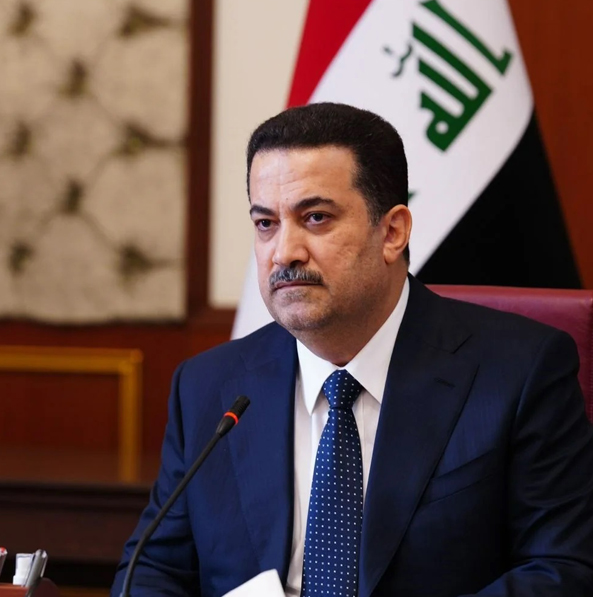
Will Al-Sudani’s Reform Project Succeed in Iraq?
Policy Analysis | This paper tackles the contents of the government program of the new Iraqi Prime Minister Mohammed Shia’ al-Sudani, his reform project, and how he seeks to achieve it at the executive, legislative, and judicial levels despite his lack of the largest parliamentary bloc.
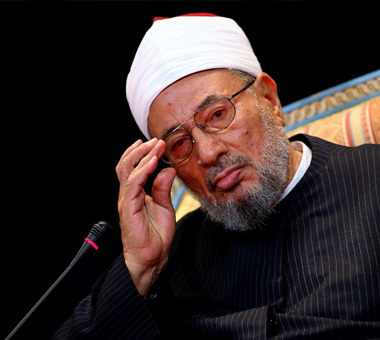
After al-Qaradawi and Munir Died: What is Waiting the Muslim Brotherhood?
Position Estimation| This paper examines the situation of the Muslim Brotherhood Group after two of its most prominent and important leaders in the political and theoretical dimensions died. Those two figures namely: Yusuf al-Qaradawi; the last prominent authority of the Muslim Brotherhood and political Islam, and Ibrahim Munir; the acting general guide of the Muslim Brotherhood.
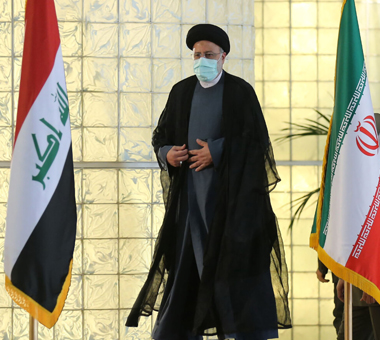
The Fate of Iran’s Role in Iraq According the Current Political Scene
Policy Analysis | This analysis addresses with the nature of Iran’s role in Iraq, in light of the current political situation. The analysis tackles the nature and priorities of Iranian strategies in Iraq, the way in which it manages the Shia-Shia conflict, also how Iran views the political scene in Iraq after selecting the President of the Republic and the forming the government, and the reflection of this in general on the future of Iran’s role in Iraq.
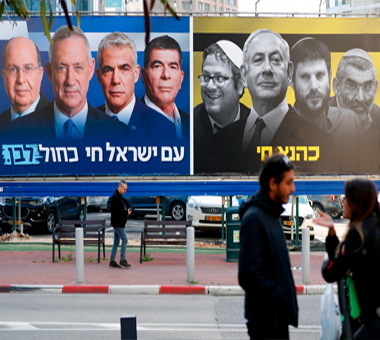
Elections to the Twenty-fifth Knesset: Lists and Scenarios
POSITION ASSESSMENT | This article outlines the scenarios of the next Israeli government, which will be realized by the elections for the twenty-fifth Knesset, scheduled for the first of November, in light of the great polarization situation among the candidate lists, and the expected neck-to-neck number of votes for each list.
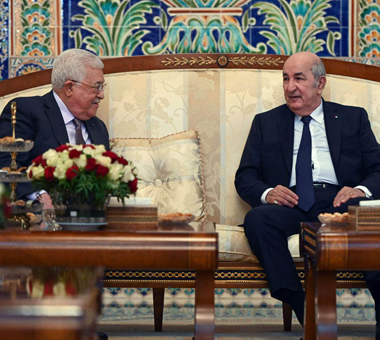
"Algiers Declaration": Faint Chances of Success and Low Expectations
Position Assessment |This paper highlights "Algiers Declaration" signed by the Palestinian factions in Algiers in October 2022, under the auspices of Algerian President Abdelmadjid Tebboune. This paper also addresses the Algerian role in the Palestinian cause, and also the most important principles of the Declaration.
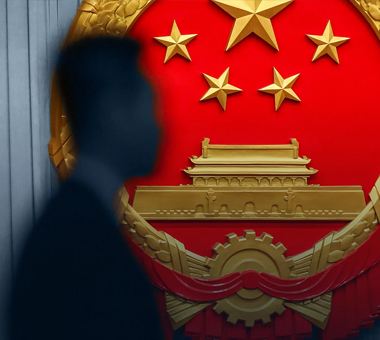
An In-depth Look at the Chinese President's Speech at the Twentieth Congress of the Communist Party
Policy Analysis | This article provides an interpretation of the Chinese President Xi Jinping's speech, by which he inaugurated the 20th National Congress of the Communist Party. The interpretation comes across four dimensions: domestic politics, the military, security, and foreign policy dimensions. The paper also discusses the hypothesis which says that the Congress is considered a partial turning point, after which Beijing will turn to domestic development, neutralizing its international dissonance with Washington as much as possible.
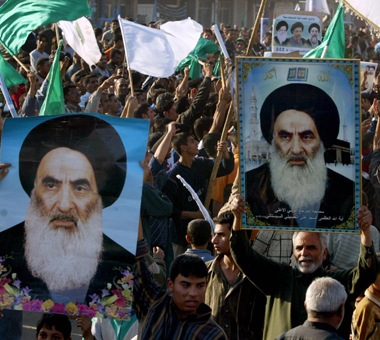
Will Al-Sistani Intervene in the Iraqi Political Crisis?
Policy Analysis | This article examines the data of authority Ali al-Al-Sistani future intervention in the religious in the current political crisis, between the Coordination Framework and the Sadrist movement, based on the nature of his role, and his speeches which are derived from his previous interventions.
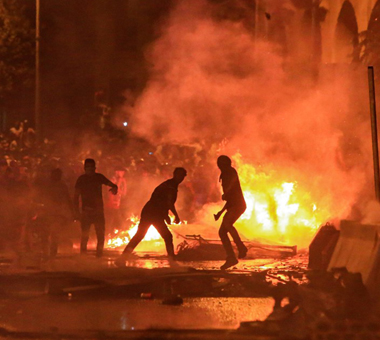
The Impossible Mission: Why Is the Status of Solution Sought in Iraq?
Op-ed | This op-ed discusses all parties’ efforts to reach a consensus on a solution to the Iraqi crisis. While it seems elusive or unlikely to happen, a consensus on a solution may not be a demand in itself, whether in case the dispute reflects a healthy situation recognized even in ancient democracies or that the absence of a desired solution is fueling the situation of instability, carrying harbingers of broader unrest.
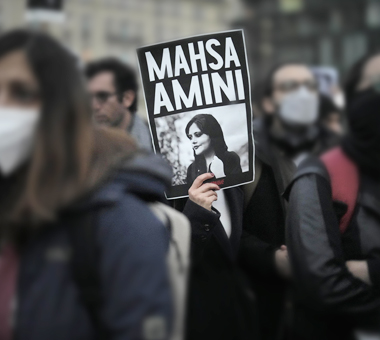
Iranian Protests over the Killing of "Mahsa Amini" and the Limits of Influence
Position Paper | This paper addresses popular protests in Iranian cities, raising many important questions, such as: What are the limits of the impact of these protests on the Iranian regime? Will such protests this time be different from the previous protests the country witnessed? What are the limits of external support for the protests, and how does that support affect the protests tracks?