Analyses
Politics
test analyses
Politics
test
Regional Trends
After the Assassination of Khamenei: Scenarios for the Third Supreme Leader
International and Global Trends
Israeli-U.S. Military Operation Scenarios and Iranian Responses
International and Global Trends
Washington and Tehran: Negotiations Under the Hammer of Military Buildup
Filter by:
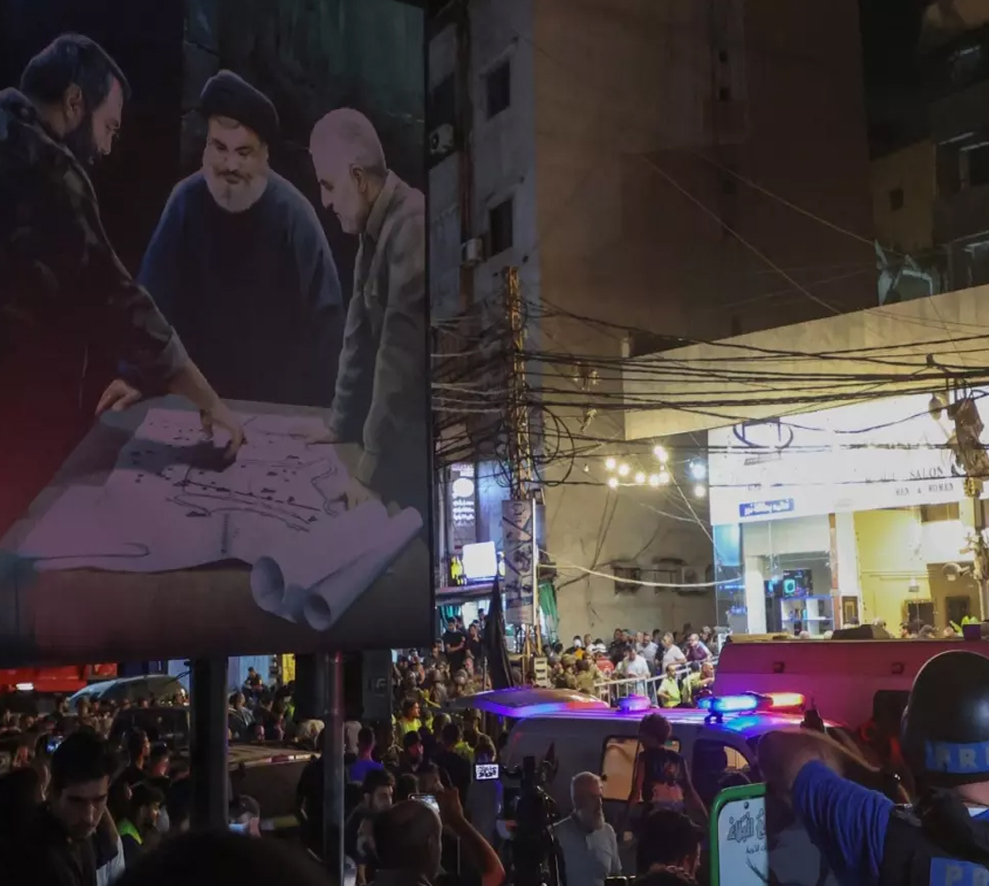
Ultimate Test of Deterrence: The Israeli Assassinations of Two Axis of Resistance Leaders
The assassination of Fouad Shukr and Ismail Haniyeh put the region in extraordinary circumstances, with the Axis of Resistance acknowledging the significance of the two murders and its members threat to retaliate. Consequently, the region should expect four impending retaliatory attacks from Iran, Hezbollah, Hamas, and the Houthis.
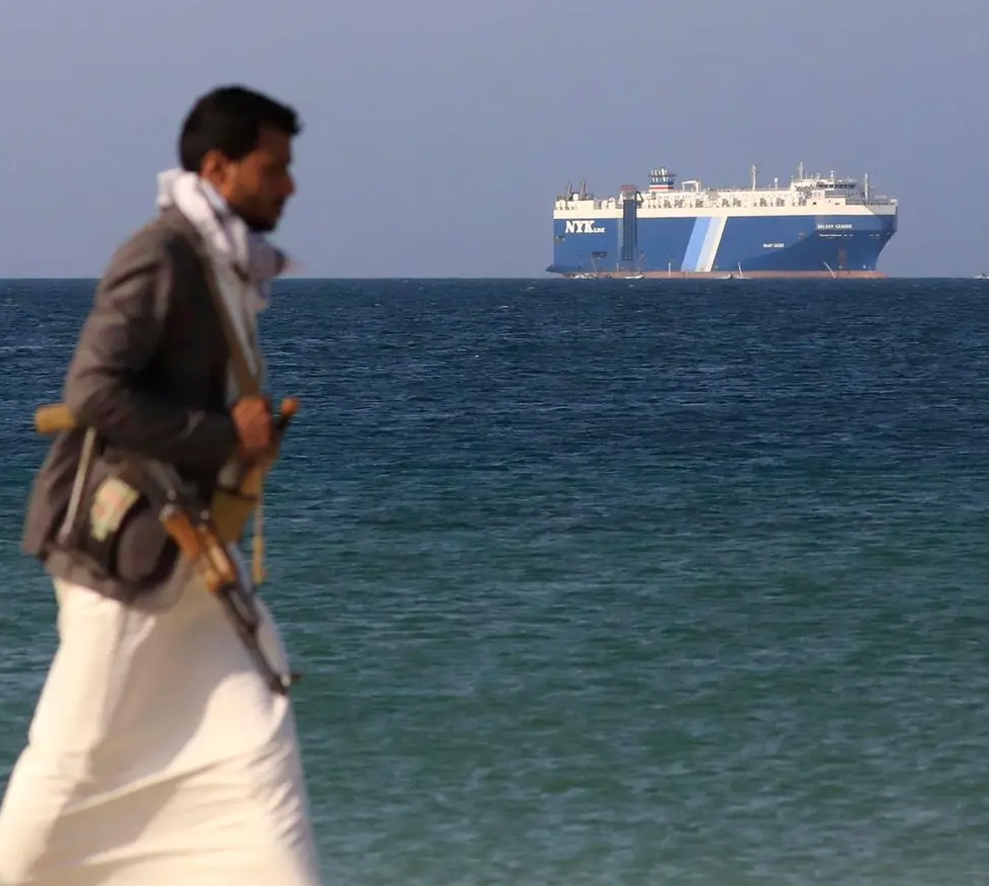
Houthi Escalation Amid Growing Iranian Interest in the Mediterranean
Iran is attempting to encourage its allies to increase their activity in the Eastern Mediterranean. However, Iranian perceptions of their ability to operate and exert influence in the region face several constraints and complexities. These include geographical factors, military capabilities, and the inability to control escalation and its repercussions.
Will Biden’s Plan Succeed in Achieving Stability in the Middle East?
U.S. President Joe Biden’s plan for stability in the Middle East sets a clear initial goal —a ceasefire—and an explicit ultimate aim: sustainable cessation of the war in Gaza. However, the path of the plan from its implementation to its completion faces several complications and contains gaps that could disrupt it.
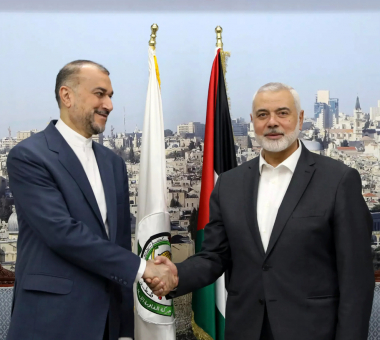
The Paths of political Presence of Hamas Movement in Qatar
The choices of Hamas leaders to move from Qatar remain ambiguous and are limited to specific destinations: either Turkey, Iran, Lebanon, or Algeria. The question is: Which one is most likely—amd most preferred—to host Hamas leaders?
Advertising space title
Description of the advertising space. Upon the client’s initial approval of the design, this text will be removed.
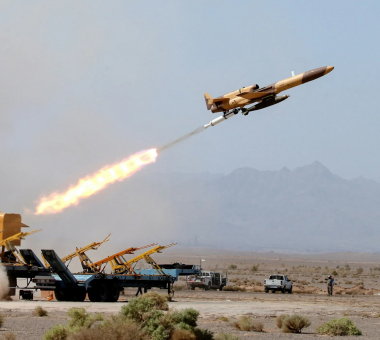
Why Has the Iran-Israel Conflict Moved to Direct Confrontation?
In the context of the Gaza conflict, Israel, guided by the “Octopus Doctrine” formulated in 2018, has dealt with the perils and challenges posed by the “Unity of Arenas”. The Israeli doctrine serves to intensify the pressures exerted on Iran, instead of engaging with a broad range of armed factions. The underlying premise of Israel’s strategy, as dictated by this Doctrine, is to compel Iran to put pressure on its proxies to cease their escalation against Israel. Concurrently, this Doctrine aims to diminish the strategic value these factions perceived by the Iranian mentality, given their role as the forward defense line of Iran’s territories.
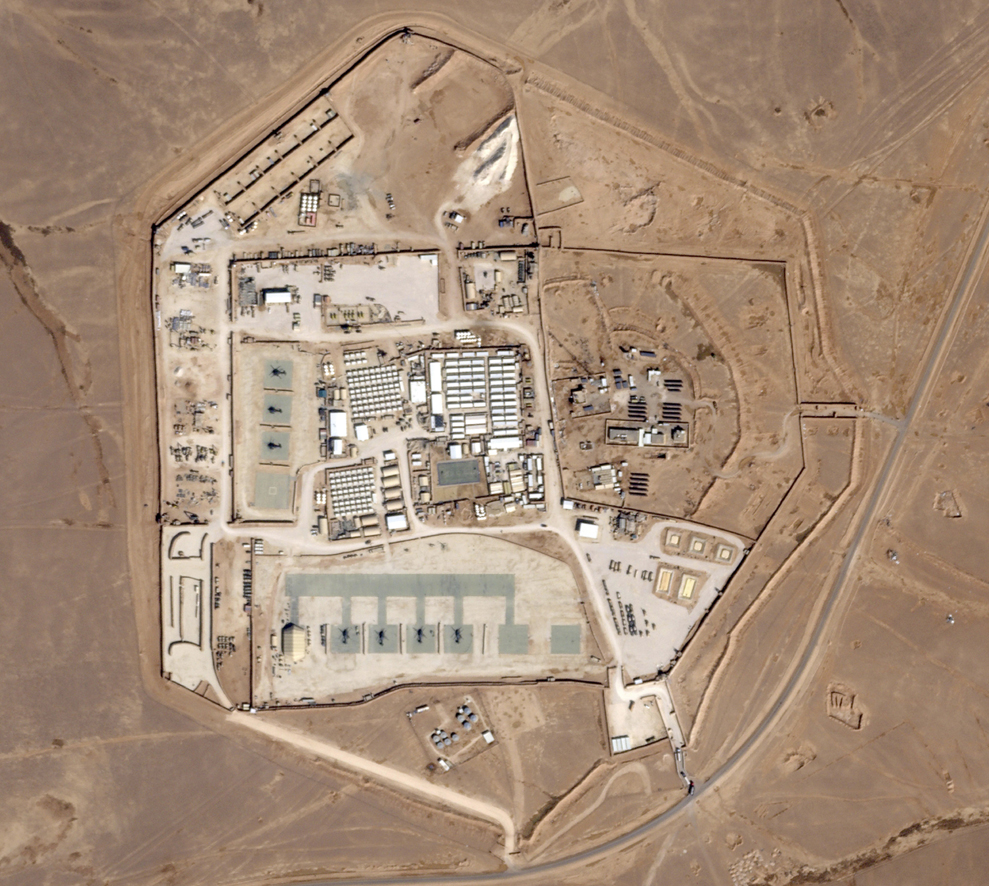
How Will Washington Respond to the January 28 Attacks?
This situation assessment addresses the attack by Iranian-backed armed groups on “Tower 22,” a secret strategic U.S. military base. This unprecedented event led to the death of three American soldiers and had several implications for the region witnessing an escalation that could expand according to the nature of America’s response to the attack.
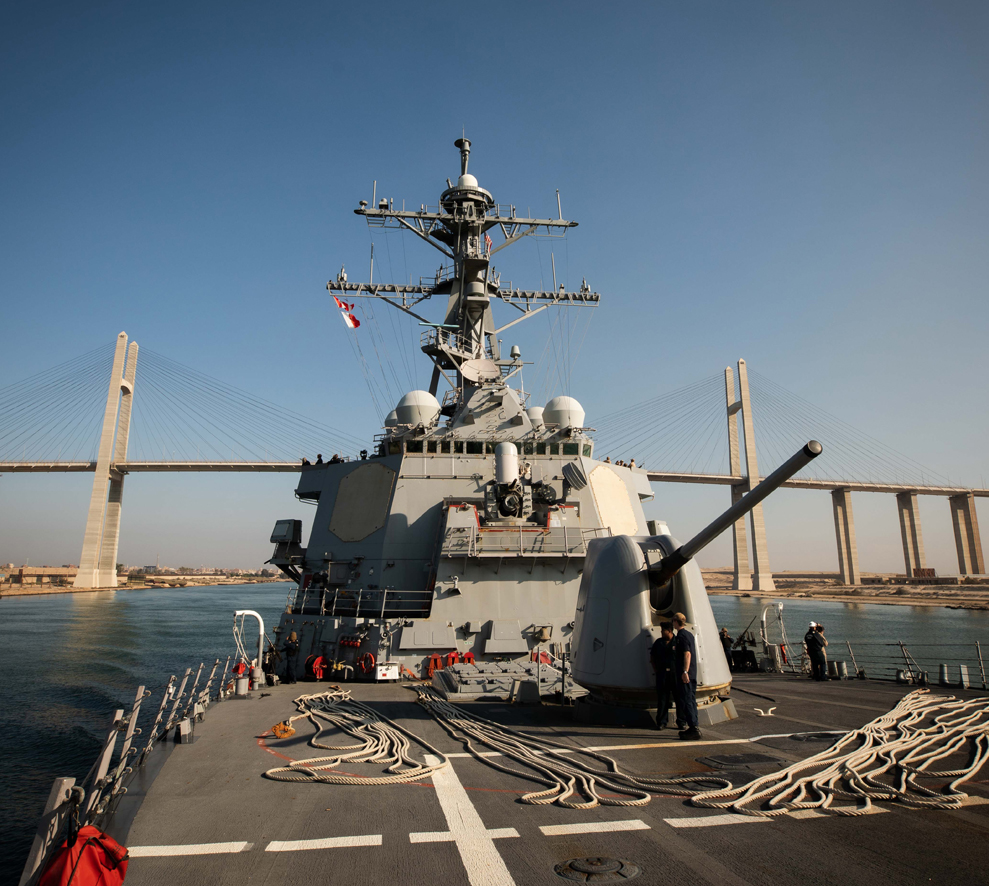
Map of the Militarization of the Red Sea and the Features of Upcoming Conflicts
This policy analysis addresses the U.S. and Western military presence in the Red Sea in response to Houthi attacks. It also addresses several questions about the implications and motives behind the unprecedented military mobilization in the Red Sea. For instance, is it proportional to the scale of the Houthi threats to international trade?
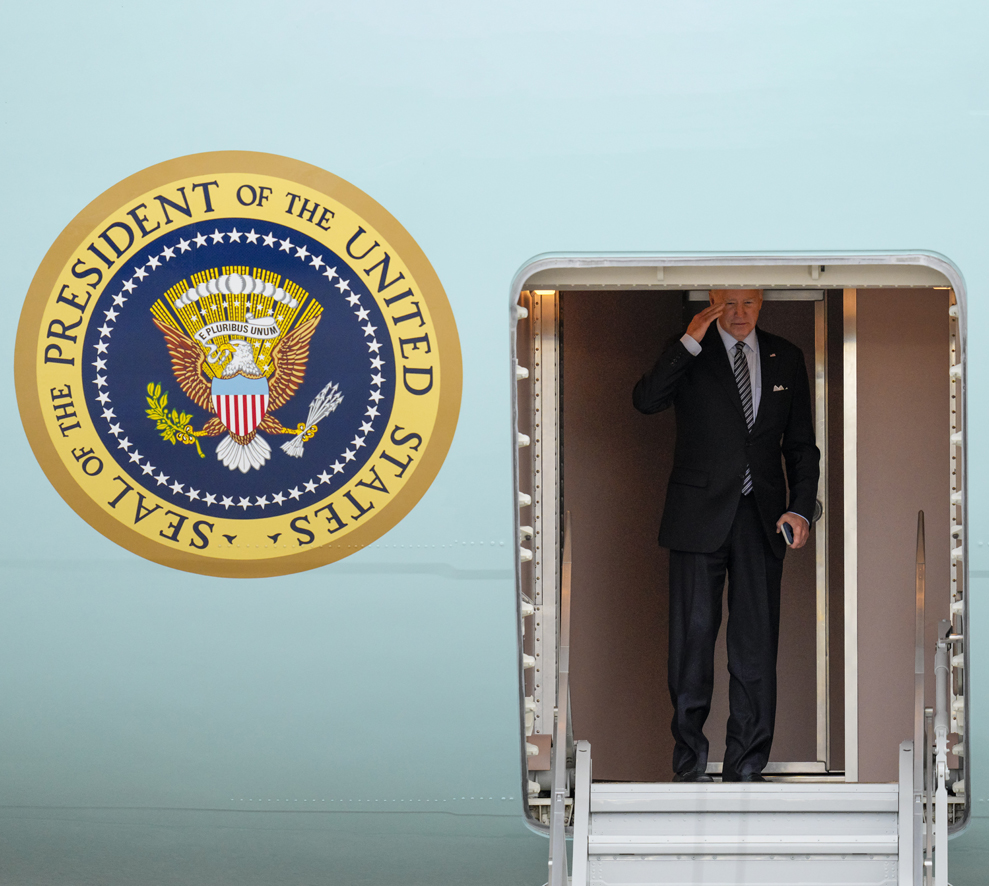
The United States: The De-Escalation Efforts and the Prospects of Escalation in the Middle East
Policy Analysis: This paper discusses the United States policy and pillars towards the war in the Gaza Strip, and the U.S. position on the secondary arenas of escalation. It also presents a new idea about the signs of independence of those arenas in terms of their goals and objectives from the main arena of war in the Gaza Strip, the matter that poses new challenges for the United States in pursuing unified policies.
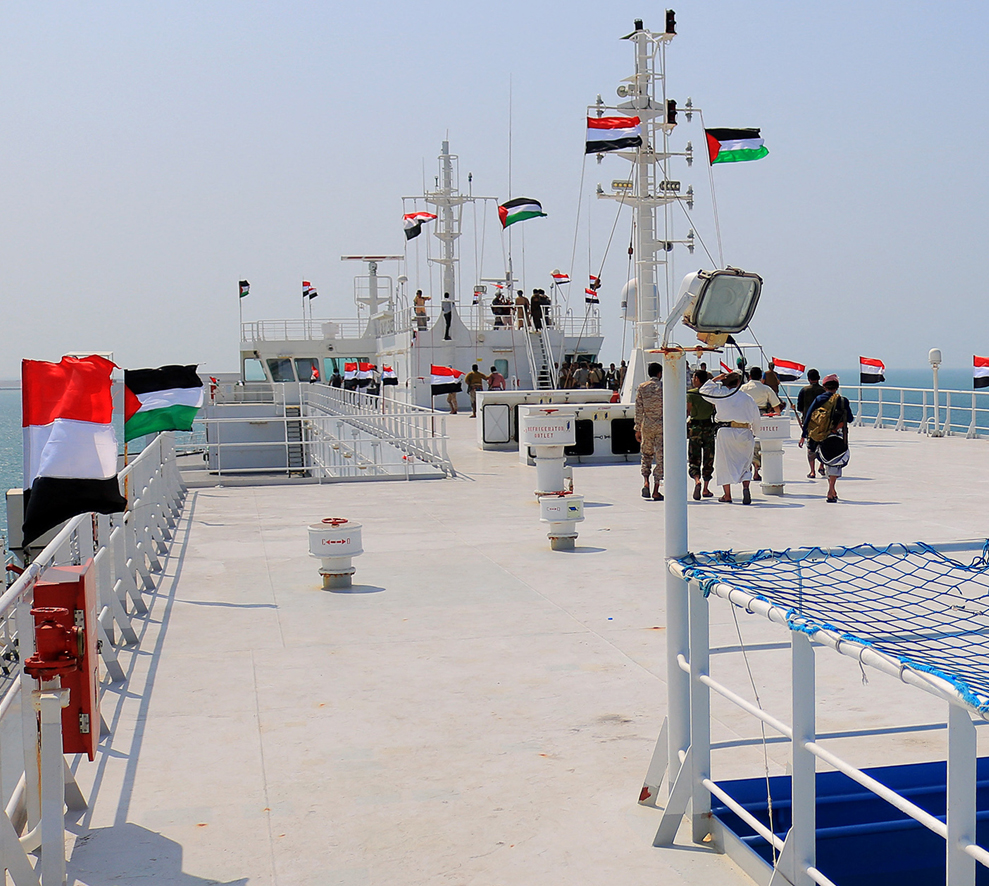
The Escalation of Houthis and the Repercussions on the Region
This policy analysis addresses the escalation of the Houthi attacks in the Red Sea and its effects on Arab countries. This analysis also touches on the Operation Prosperity Guardian coalition launched by the United States with the participation of more than 20 countries to protect international shipping lanes.