Analyses

Filter by:
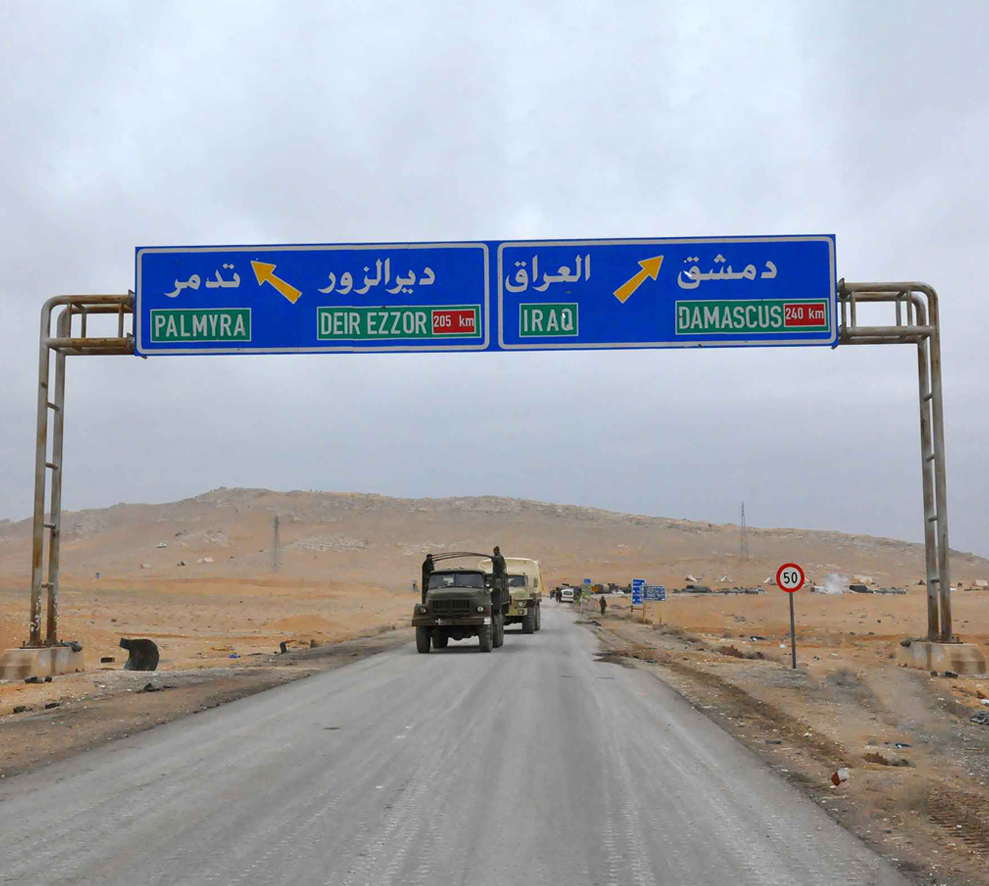
The Syrian-Iraqi Border: Reshaping the Geopolitical Space of the Middle East
The Syrian-Iraqi border is entering a new phase marked by strategic competition and sharp ideological divergence. Its significance now extends far beyond a simple bilateral boundary, turning it into a geopolitical flashpoint that may shape the region’s future landscape. Despite a period of relative calm, the stability along the border remains fragile and temporary, while the likelihood of tension or escalation—driven by domestic developments in both countries or by broader regional and international shifts—remains conspicuously high.
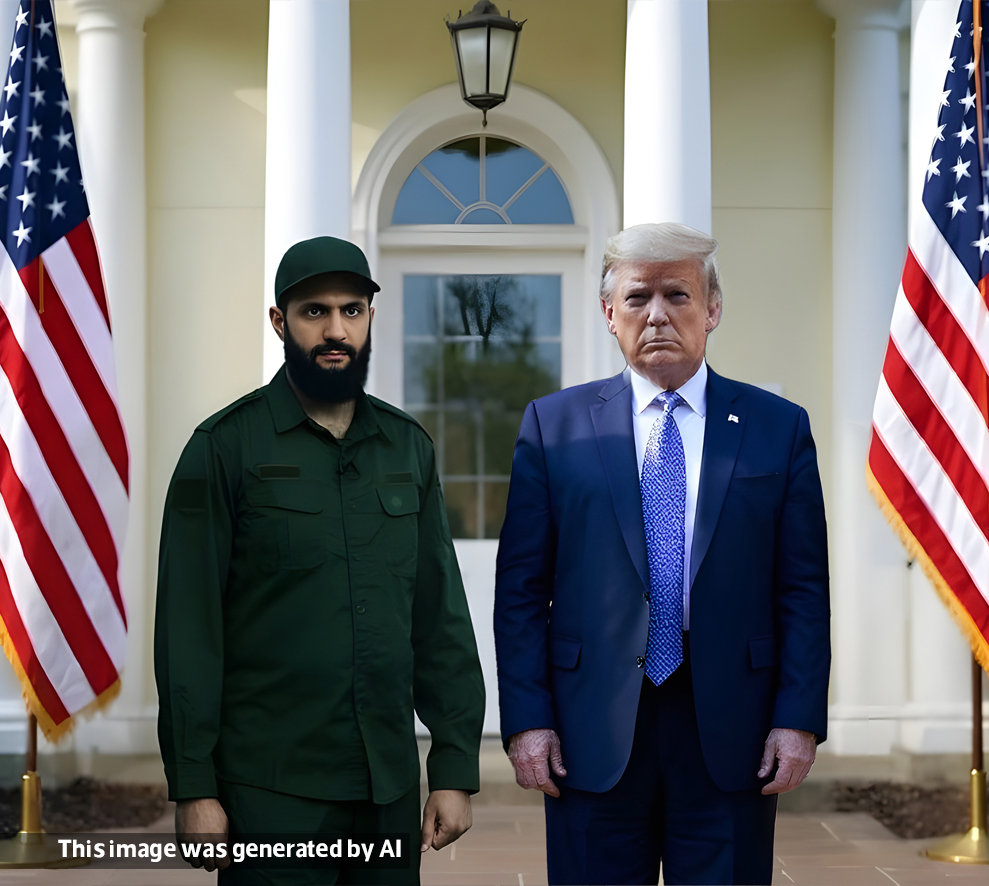
NYT: The President and A Former Terrorist Meet at the White House
This article, published in The New York Times on November 9, 2025, in which the GM of STRATEGIECS Institute examines Ahmed al-Sharaa (known as al-Julani)’s visit to the White House, highlighting the grave implications of this event for regional and strategic security, as well as for the United States itself. It underscores how al-Julani’s background—rooted in global terrorism—and the legitimization of an extremist model of governance achieved through military takeover and disguised as pragmatism represent new instruments for transnational terrorist organizations seeking to undermine the very concept of the nation-state.
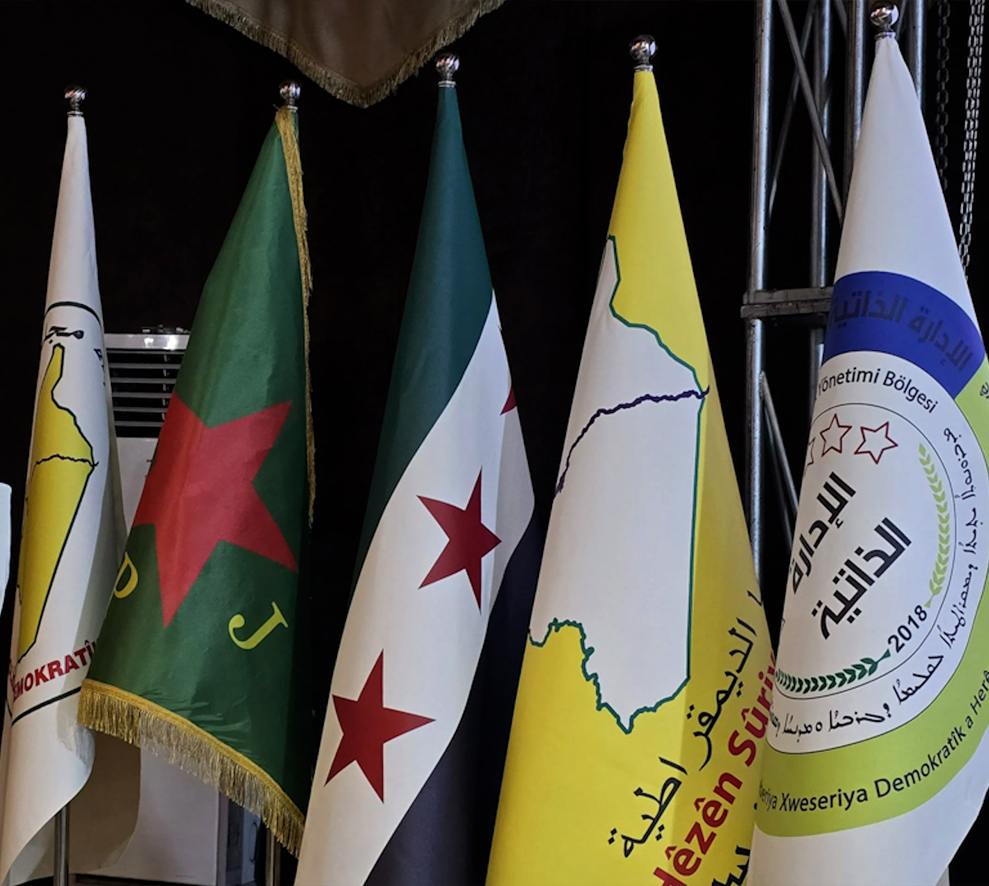
The Syrian Unity Predicament: Files of Sovereignty, Security, and the Kurdish Issue
The transfer of power in Syria in 2024 did not achieve the desired reconciliation, as the conflict between the interim government and the Syrian Democratic Forces undermined the March 10 agreement and deepened the division over the form of the state between centralization and decentralization. The ambiguity in the agreement and the regional and international interventions, especially from Türkiye, the United States, France, Russia, and Israel, have also contributed to complicating the scene and preventing a stable settlement, which makes the future of Syria linked to the government’s ability to establish a comprehensive and binding social contract that ensures the participation of all components.
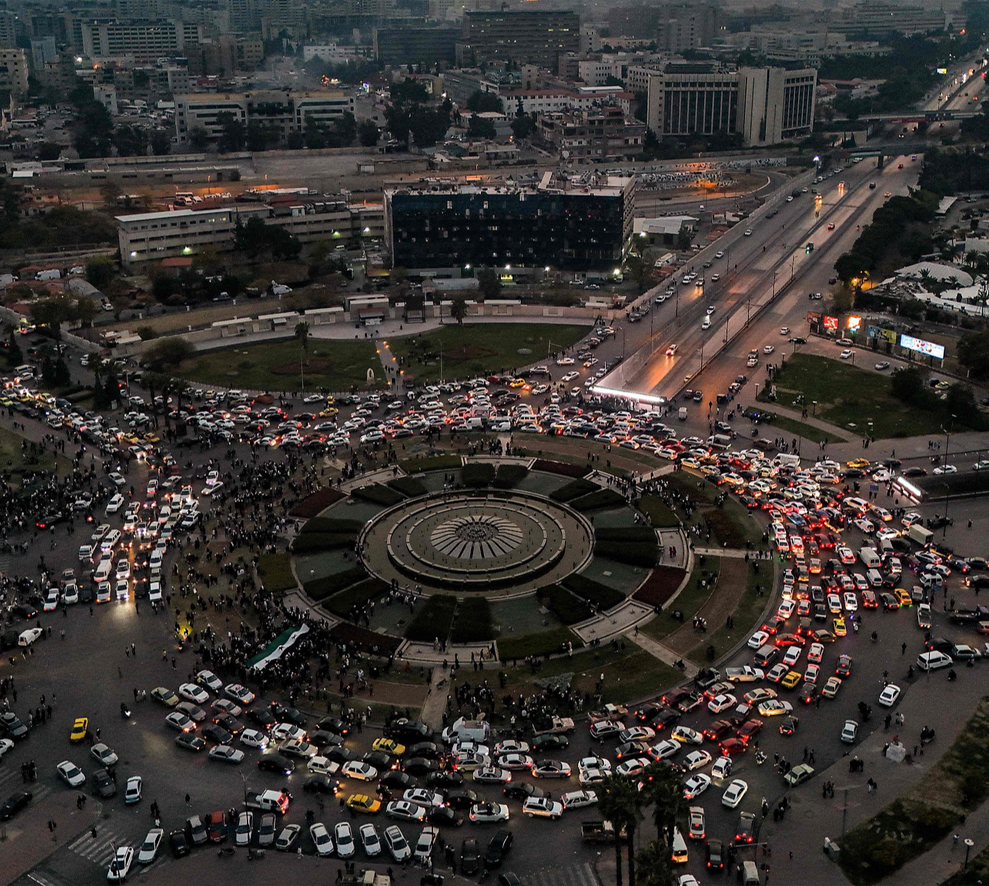
The Syrian Situation Between Centralization and Decentralization Options
The issue of centralization versus decentralization in Syria is a structural one that goes beyond intellectual debate, touching on the very essence of state reconstruction, the definition of national identity, and the form of governance. While centralization is viewed by some as a safeguard for the country’s unity, experience has shown that it has deepened marginalization and weakened political participation. Conversely, many political segments see decentralization as an entry point for comprehensive institutional reform; however, hastily adopting it could threaten stability and sovereignty, especially given the complexities of the Syrian reality.
Advertising space title
Description of the advertising space. Upon the client’s initial approval of the design, this text will be removed.
Russia and the Restoration of Strategic Presence in the Changing Syrian Landscape
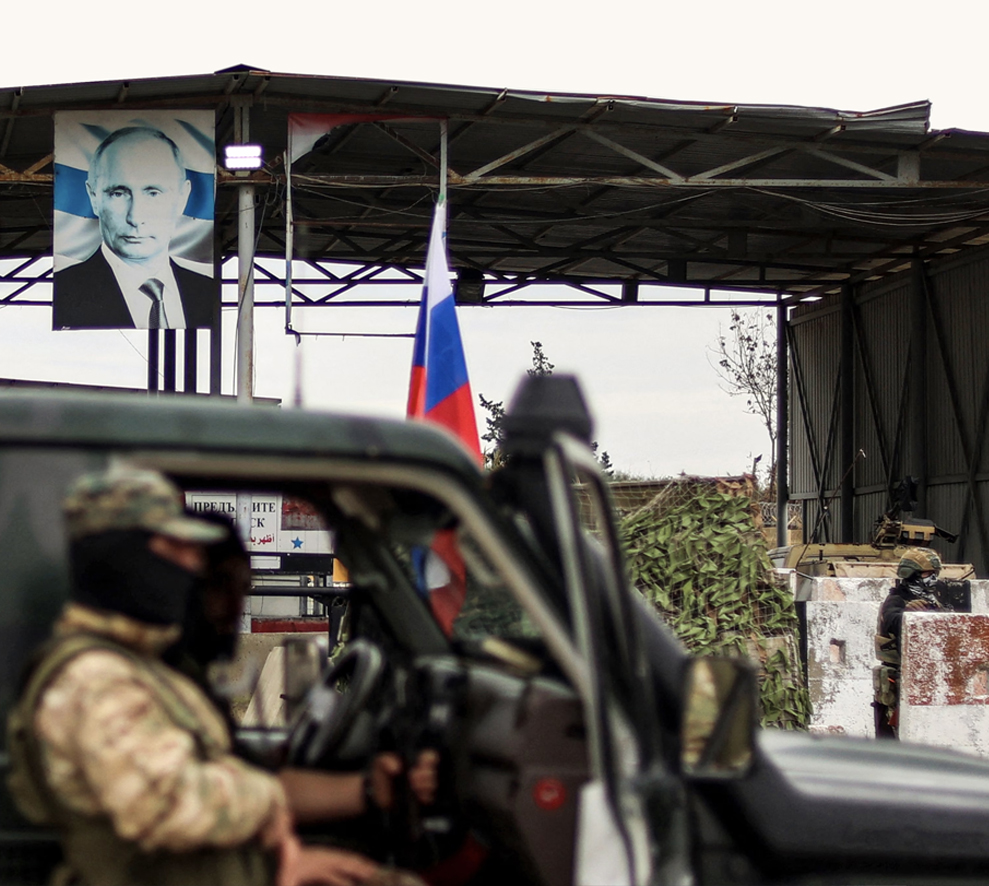
The regime change that Syria experienced in December 2024 led to a radical—and also chaotic—reordering of the Syrian geopolitical landscape. One of the main questions raised at the time concerned whether Russia would accept the unfolding scenario, abandon its previous allied regime, and face the potential loss of its strategic and vital bases on the Mediterranean coast, which it had long maintained.

Syrian Political Consciousness in Transition: Structure and Stakes
Syrian political consciousness is undergoing a profound transformation following the change of the Ba’ath regime in 2024, after decades of security-driven rule and totalitarian dominance. The 2011 movement in Syria during the so-called “Arab Spring” marked a shift in collective awareness, expressing a desire for liberation and citizenship, but it collided with authoritarian responses that produced a state of repression. In the absence of a unifying national framework, trajectories vary between currents of rupture, reconciliation, and religious projects, while Syria’s future remains contingent on the society’s ability to overcome division and build a new social contract.

Will ISIS Succeed in Hijacking Syria from the Transitional Government?
Since the fall of the previous regime in December 2024, ISIS has been taking advantage of the fragility of the Syrian transitional authority and the overlapping structure of its various factions with a renewed surge in activity. Despite intensified international strikes against it, ISIS has managed to carry out sophisticated attacks reposition itself amid the complex political and security challenges facing the interim government. The situation is further complicated by the emergence of even more extremist groups and the erosion of boundaries between regular forces and armed extremists. Meanwhile, the international community’s support for the new government is tied to its seriousness in combating terrorism and extremism—thus placing a structural challenge on the government’s security institutions and internal alliances.

Israel and Southern Syria: Limits of Power and Parameters of Settlement in Suwayda
The Suwayda Governorate in southern Syria witnessed a significant security escalation following clashes between Druze factions and Bedouin tribes, which was followed by a military intervention by the Syrian transitional government. This prompted Israel to carry out airstrikes, which it considered a response to the violation of the “demilitarized zone” principle and its commitments toward the Druze community. As a result, Syrian forces withdrew and a ceasefire agreement was signed with the religious authority in Suwayda that also included local security and administrative arrangements. These developments revealed a gap in the transitional government’s understanding of the Israeli position, placing its presence in the south—and its relations with the Druze and Kurds—under challenges that may reshape the balance of power.

The Syrian Geopolitical Scene Amid Israeli–Turkish Rivalry
The Syrian arena is witnessing an escalation in the Israeli–Turkish rivalry, driven by their divergent visions for the structure of the new power following the regime change in December 2024. While Türkiye rushed to support the transitional government and solidify its influence, Israel viewed the rise of Turkish-backed Salafist factions as a threat to its national security and to the regional balance of power. This reflects Syria’s transformation into a central arena for shaping the new Middle East order, though the rivalry remains within a “managed” framework.