Analyses
Politics
test
Politics
test analyses
Regional Trends
After the Assassination of Khamenei: Scenarios for the Third Supreme Leader
International and Global Trends
Israeli-U.S. Military Operation Scenarios and Iranian Responses
International and Global Trends
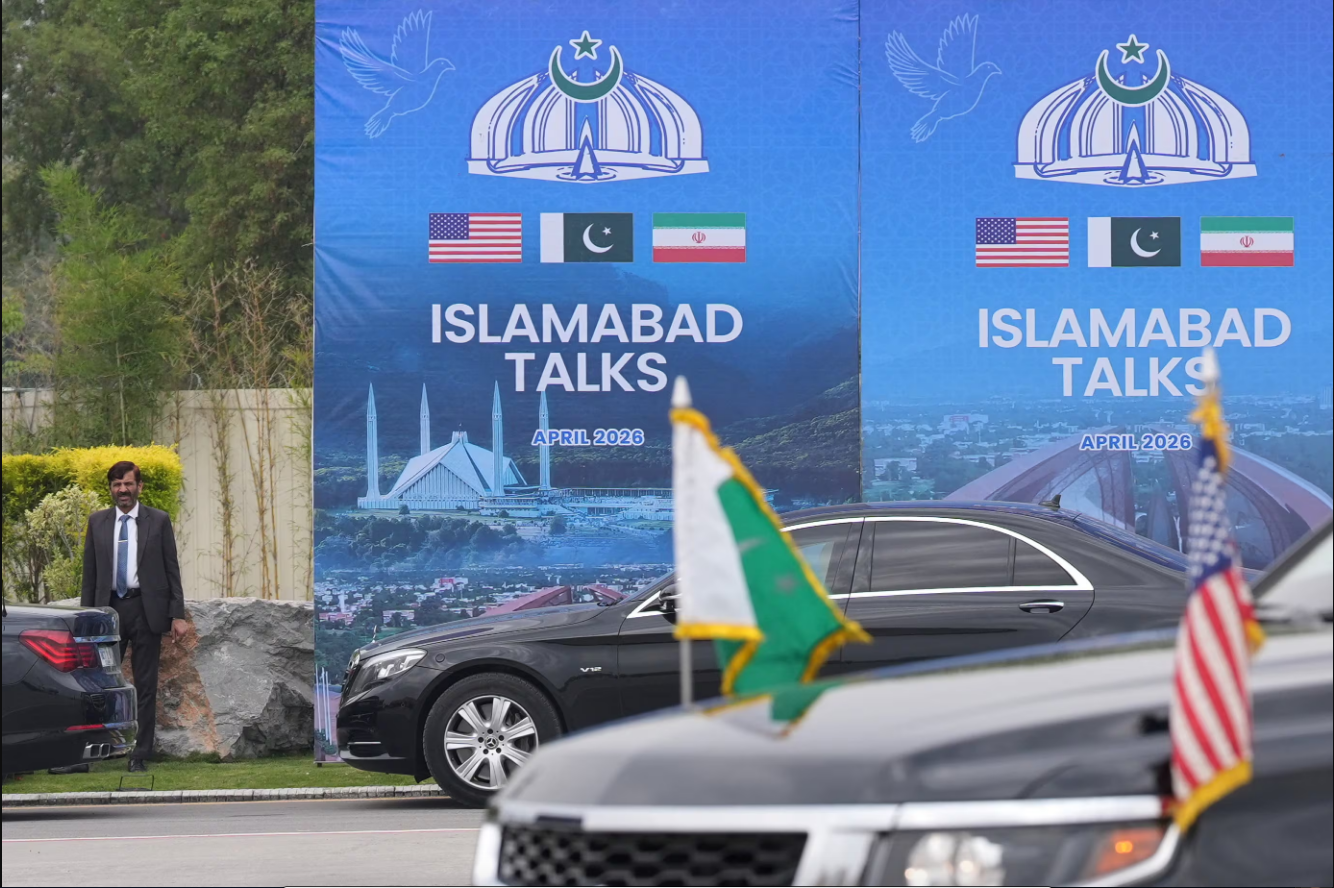
Washington and Tehran: Negotiations Under the Hammer of Military Buildup
Filter by:
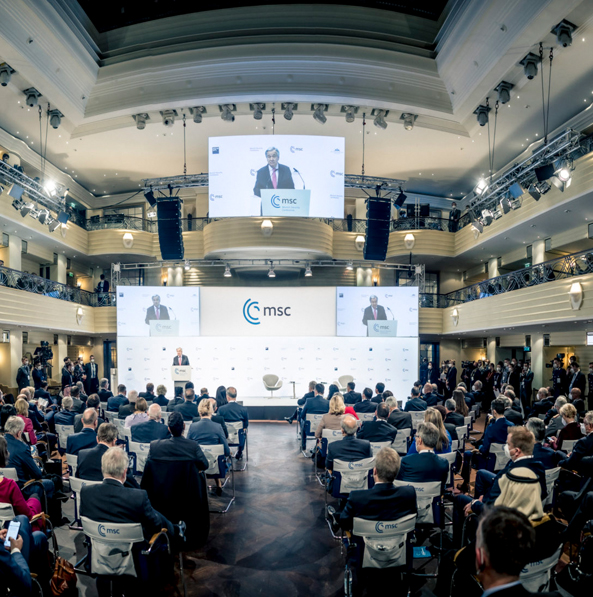
Munich Security Conference: The Search for the Missing Security Across the Atlantic
The 2022 Munich Security Conference, the world’s leading forum for debating international security policy, convened amidst a foggy European security situation that dominated its activities: the Ukrainian crisis. While the war has become a reality, has the West succeeded in preparing to deter Russia?
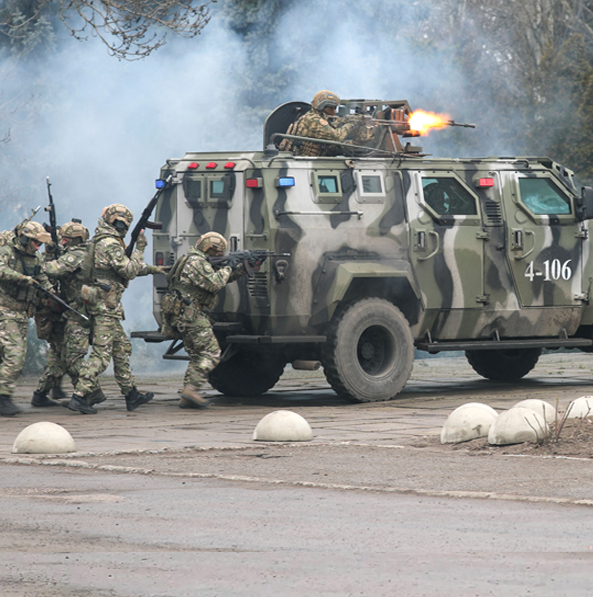
From Ukraine, Putin begins his battle against NATO... and the bipolar world has hit the wall
The Russian military operations in Ukraine reflect a shift in the Russian position towards NATO expansion and relations with Western powers, an event that may have reverberations for the post-war world order.
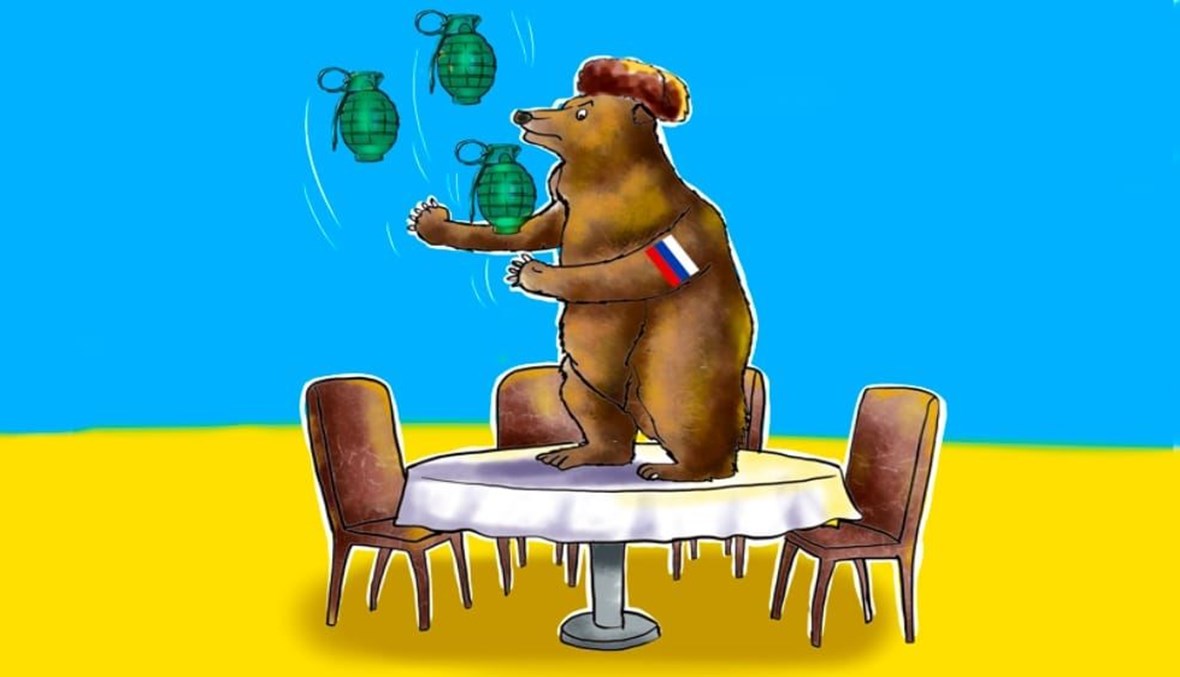
The Kremlin is making all the preparations for war. Will it really break out?
Putin is contemplating his future legacy. He believes that he can still restore Russia as a global superpower with its strategic depth, and that is why he does not seem willing to allow Ukraine or Kazakhstan to move away from the Russian orbit.
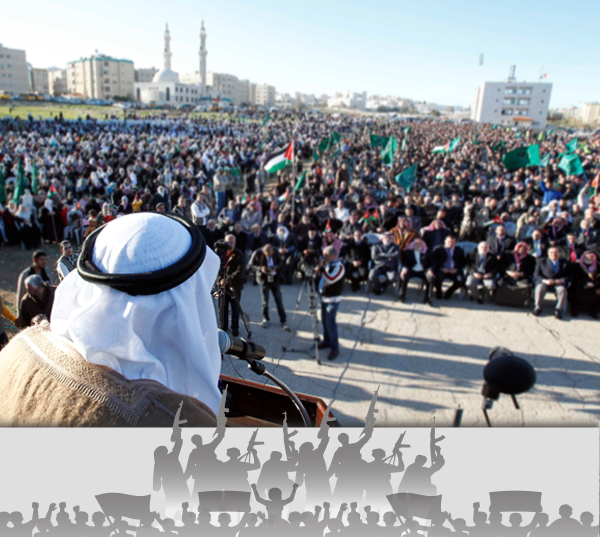
The Muslim Brotherhood in Jordan: Regional Role and Transnational Ideology
The paper aims to analyze the role of transnational ideology, in the partisan and political practices of the Muslim Brotherhood in Jordan, and its implications for the group's regional role, whether in its relations with the group's branches in Egypt, Syria, Palestine, or in some regional countries, such as Iran and Turkey.
Advertising space title
Description of the advertising space. Upon the client’s initial approval of the design, this text will be removed.
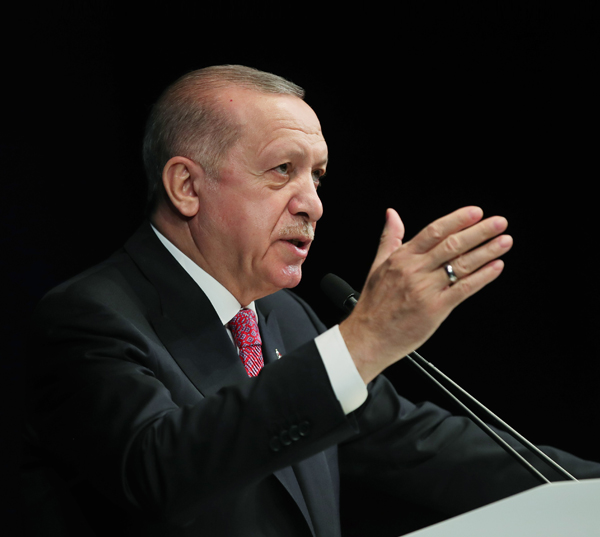
Turkish Politics Transformations: Exceeding, Adjustment, and Conditional Openness
Based on the hypothesis that Ankara is rearranging its political relations, away from the determents that marked its foreign policy after 2011. This op-ed seeks to highlight the variables of Turkish policy toward Israel on the one hand, and the Muslim Brotherhood on the other hand. As well as to deduct the prospects for the continuation of the Turkish political transformations in the foreseeable future.
-%D8%AE%D8%B7%D8%A7%D8%A8-%D8%A7%D9%84%D8%A7%D8%B3%D9%84%D8%A7%D9%85-%D8%A7%D9%84%D8%B3%D9%8A%D8%A7%D8%B3%D9%8A.jpg)
Political Islam Discourse: Between Employing the Crisis and the Crisis of Employment
This paper seeks to, partially, analyze the employing the crisis of the historical bitterness in the West's relationship with the Islamic world, in the discourse of political Islam groups, besides the crisis of the using symbols. In addition to analyze the problem of relating Islam, as a global religion, with Dawa'a (the call to believe in Islam) a partisan concept.
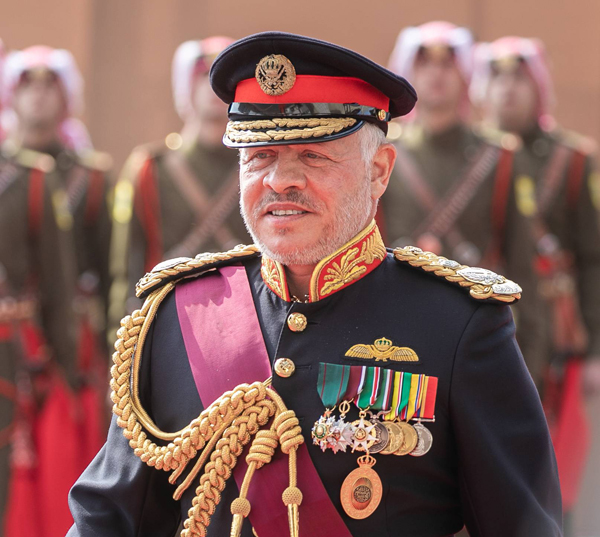
How did Jordan celebrate the King’s birthday?
On his sixtieth birthday, His Majesty King Abdullah II preferred not to limit his royal message on this occasion to accepting congratulations and blessings; it rather included a comprehensive political and social speech addressing Jordanians and calling for change. What is the change meant by this royal message? And how can this goal be achieved?
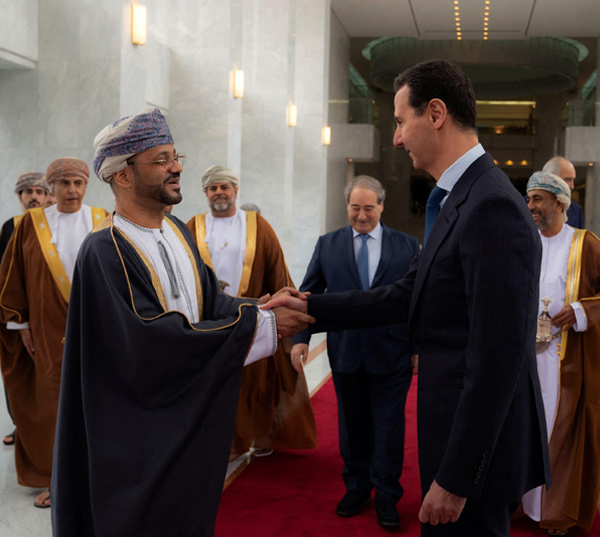
Why Oman didn’t join the Abraham Accords - opinion
Oman’s reluctance to sign the Abraham Accords or a similar agreement stems from its commitment to the “Omani approach” of neutrality and noninterference in dealing with the regional conflicts.
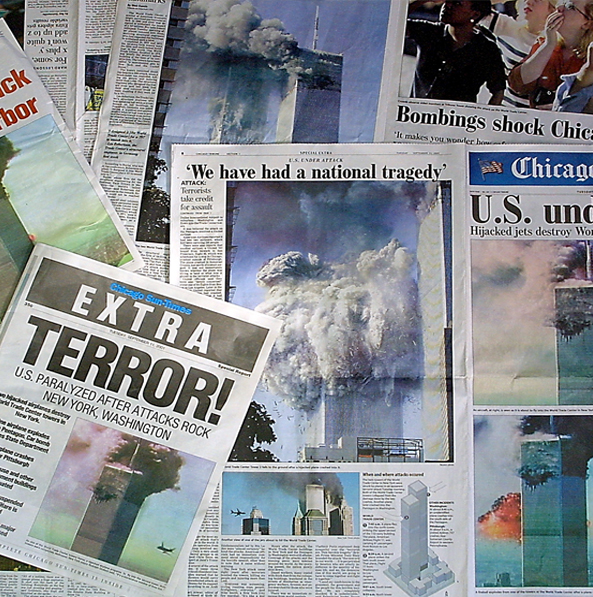
ISLAMOPHOBIA, AND MUSLIMS TURNING INTO THEIR OWN WORST ENEMY!
In the aftermath of 9/11 and subsequent media campaigns linking terrorism to Islam, the gap between Western culture and Islamic culture widened, leading to the phenomenon of Islamophobia, which has deepened to such an extent that it is no longer possible to ignore the necessity of integrating Islam and Western values, cooperating among major religious authorities, and establishing civilized dialogue between faiths and cultures, in order to normalize human relations between East and West.